
A termite problem rarely begins with obvious damage. In Wyong, termites can move through concealed soil, wall cavities, subfloors, and roof spaces for months before a homeowner sees a mud tube or notices timber that sounds hollow. A professional Termite Inspection Wyong service is designed to find the conditions and warning signs that are easy to miss, helping you protect your property and your budget before minor activity becomes a major repair bill.
Homes near bushland, established gardens, drainage lines, and damp ground can face higher termite pressure, but no property type is automatically safe. Brick homes, renovated homes, slab-on-ground homes, and older weatherboard properties can all provide concealed entry points if termites can reach timber.
Why termite inspections matter in Wyong
Termites eat cellulose, the material found in structural timber, flooring, skirting boards, door frames, cabinetry, stored cardboard, and some landscaping products. They do not need to leave exposed trails across a room. Instead, subterranean termites commonly travel inside mud shelter tubes or hidden voids, where they remain protected from light and dry air.
Wyong properties often have a mix of older homes, newer developments, retaining walls, gardens, and drainage features. Each site is different. A home on a concrete slab may have concealed entry around plumbing penetrations, expansion joints, weep holes, or cracks. A raised home may have risk factors in the subfloor, especially where ventilation is poor or timber is close to soil.
The financial risk is not limited to the visible section of timber. When activity is found in one area, a technician needs to assess whether termites have accessed other parts of the building. Fast action can reduce the chance of ongoing feeding, but treatment should be based on the construction of the home, the extent of activity, and the surrounding conditions.
What happens during a termite inspection?
A thorough inspection is more than a quick look around the exterior. A licensed technician checks accessible areas of the building for termite activity, termite damage, moisture issues, and construction features that may allow concealed entry. This generally includes accessible interior rooms, the exterior perimeter, roof voids, subfloors, garages, fences, retaining structures, and nearby timber or garden materials where relevant.
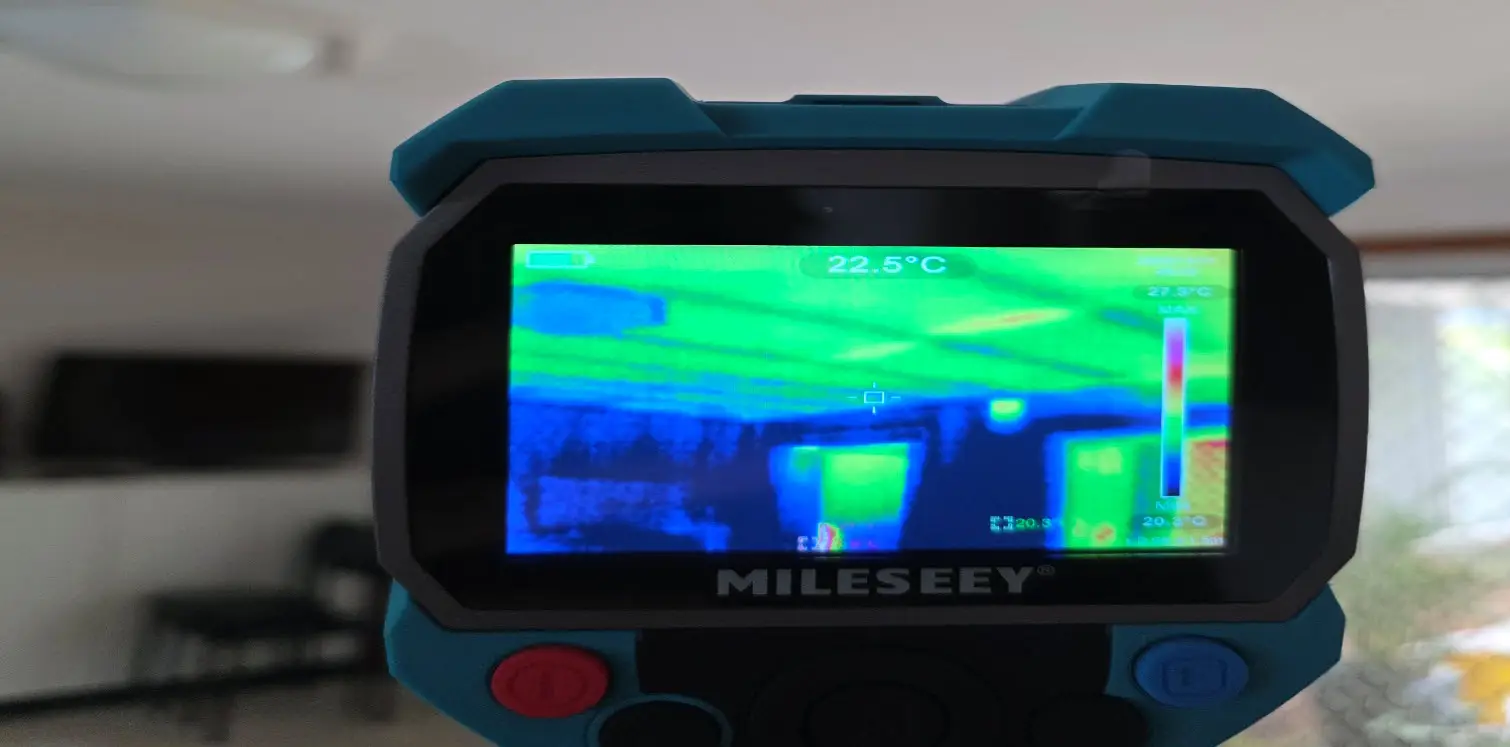
Specialist tools can assist with locating suspicious areas, but they do not replace experience or a careful visual inspection. Moisture meters, sounding tools, and thermal imaging can help identify places that need closer attention. Thermal imaging, for example, may reveal temperature differences associated with moisture or active areas, but it is an investigative tool rather than proof of termites on its own.
You should receive clear findings after the inspection. If no live termites are found, that does not mean the property can be ignored indefinitely. It means no evidence was detected in the accessible areas at that time. A good report identifies limitations, risk factors, and practical next steps so you understand where your property stands.
Access affects what can be checked
Stored belongings, locked rooms, low subfloors, dense vegetation, fixed wall linings, and roof void restrictions can limit an inspection. This is normal, but it should be recorded. Clearing access around the home before an appointment gives the technician a better opportunity to inspect vulnerable areas and provide useful recommendations.
Warning signs homeowners should take seriously
Live termites are often pale, soft-bodied insects found inside damaged timber or shelter tubes. Winged termites, also called alates, can be another warning sign when they emerge from a mature colony. However, winged ants are commonly mistaken for termites. If you find discarded wings or a swarm indoors, keep a sample or take a clear photo for identification rather than assuming the cause.
Other signs are less direct. Paint may blister where termites have fed close to the surface. Floors can feel uneven, trim may crumble under light pressure, and doors or windows can become difficult to open when moisture and timber damage are present. These symptoms can also have other causes, which is why a professional inspection matters.
Outside, look for mud tubes on brickwork, piers, utility penetrations, or retaining walls. Also pay attention to leaking taps, overflowing gutters, poor drainage, timber mulch against the house, and firewood stacked beside exterior walls. None of these issues proves an infestation, but they can create favorable conditions or hide termite access.
Inspection findings and the right treatment path
If termites are confirmed, there is no one-size-fits-all solution. The best option depends on the termite species, where activity is located, how the building is constructed, whether a previous termite system is in place, and whether the colony can be targeted effectively.
| Finding | Possible response | Why it helps |
|---|---|---|
| Active termites in accessible timber | Targeted treatment or baiting plan | Addresses active feeding while allowing ongoing assessment |
| Concealed entry risk around the structure | Chemical barrier or reticulation assessment | Helps protect likely entry zones where suitable |
| No activity, but high-risk conditions | Monitoring and maintenance recommendations | Supports early detection and risk reduction |
Baiting systems can be useful when colony elimination is the objective, particularly where direct treatment is impractical or where a property needs an ongoing monitoring program. Chemical barriers can be appropriate for certain buildings and soil conditions, but installation must account for access, drainage, construction details, and existing termite management systems. Your technician should explain the trade-offs rather than push a generic answer.
Reduce termite pressure between inspections
Prevention is about removing favorable conditions, not relying on a single product. Keep garden beds and mulch below weep holes, avoid stacking timber against the house, repair plumbing leaks, and make sure gutters and downpipes direct water away from foundations. Trim vegetation back from walls so inspection zones remain visible.
In areas such as Tuggerah, Warnervale, Wadalba, and surrounding Central Coast suburbs, seasonal moisture and established landscaping can make these small maintenance tasks worthwhile. If your home has a subfloor, keep vents clear and deal with persistent dampness promptly. For a slab home, avoid covering inspection points with paving, soil, or heavy garden materials.
When to book a termite inspection
Book promptly if you see suspected termite activity, mud tubes, discarded wings, unexplained timber damage, or moisture problems near structural areas. Buyers should also arrange a timber pest inspection before committing to a property, because cosmetic presentation cannot reveal concealed damage or conditions below the home.
For homeowners and investors, regular professional inspections are a practical part of property maintenance. The right frequency depends on location, construction, previous termite history, nearby vegetation, and any existing protection system. Redback Pest Control Central Coast can assess those details and provide straightforward recommendations without the guesswork.
No worries, no stress, no termites starts with knowing what is happening around your home. If something does not look right, arrange an inspection early and get clear advice before termites get further into the structure.