

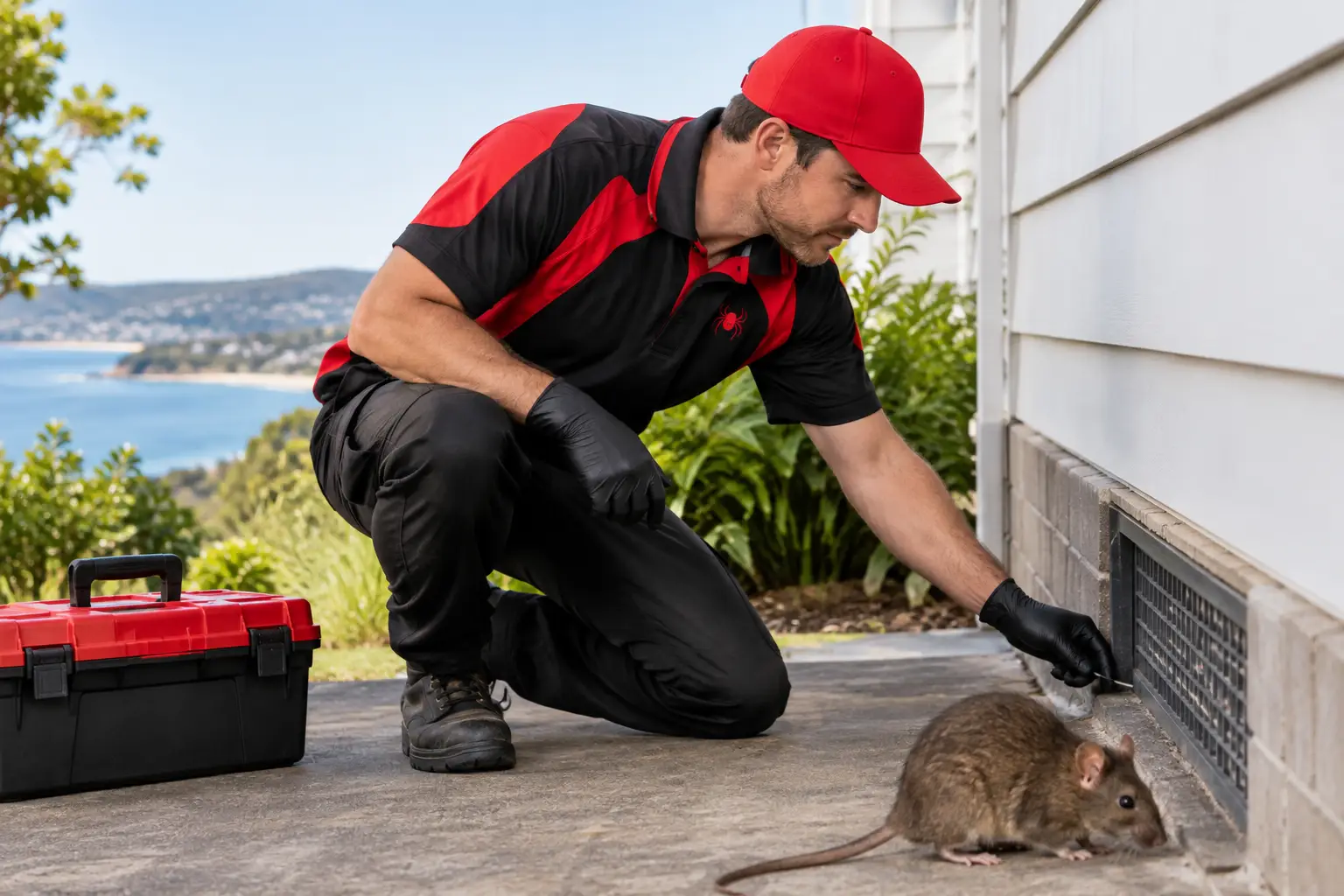
A rat scratching above the ceiling at night is not a problem to put off until the weekend. In Terrigal, rats can move quickly from dense gardens, roof voids, sheds, and neighboring properties into kitchens, wall cavities, and storage areas. Professional rat removal Terrigal services focus on more than catching the rat you have heard – they identify how rodents got in, reduce the conditions attracting them, and help protect your property from repeat activity.
Why rats become a serious problem in Terrigal homes
Terrigal’s mix of established homes, leafy streets, coastal vegetation, cafes, and regular rain gives rodents the three things they need: shelter, food, and water. A roof rat can climb vines, fences, pipes, and rough exterior walls with surprising ease. Once it reaches the roofline, a gap around a pipe, damaged eave, open vent, or loose tile may be enough to enter.
The damage is not limited to food contamination. Rats gnaw constantly to keep their teeth worn down, which can mean chewed electrical wiring, damaged insulation, spoiled stored goods, and torn ducting in roof spaces. Their droppings and urine can contaminate surfaces, while nesting materials may contribute to unpleasant odors and blocked ventilation.
For landlords, strata managers, and business owners, a rodent issue can also become a hygiene and reporting concern. A single trap placed after a sighting may reduce activity temporarily, but it rarely answers the larger question: where are the rats traveling, feeding, and entering?
Signs you may need rat removal in Terrigal
Rats are mostly active after dark, so homeowners often notice evidence before seeing an animal. Sounds in the ceiling can be particularly concerning, although possums may also make noise in roof voids. The difference matters because the response is not the same. A professional inspection helps distinguish rat activity from possums, mice, birds, or other wildlife before treatment begins.
| What you notice | What it can indicate | Why it needs attention |
|---|---|---|
| Small dark droppings near cupboards, garages, or roof access | An active travel route or nesting area nearby | Droppings can contaminate food-preparation and storage areas |
| Scratching, running, or squeaking after dark | Rodents moving through ceilings, walls, or subfloors | Activity can spread to wiring and insulation |
| Chewed packaging, cables, timber, or plastic | Feeding behavior or a well-used access point | Gnawed wiring presents a potential safety risk |
Greasy rub marks along skirting boards, fences, or pipes are another common clue. Rats often use the same edges and routes repeatedly. Outdoors, burrows around garden beds, under decks, beside sheds, or near bins can point to a larger harboring area.
What professional rodent treatment should include
Effective rat control is a process, not simply a product. Redback Pest Control Central Coast begins by assessing the type and extent of activity, likely entry points, food sources, and areas where rats are nesting or traveling. This is especially valuable in coastal homes where rooflines, decks, retaining walls, and mature landscaping create multiple access routes.
Treatment may involve professionally placed bait stations, traps, monitoring devices, and targeted control methods selected for the property. Placement matters. Devices must be positioned where rodents are likely to travel while considering children, pets, non-target wildlife, and how the building is used. A restaurant, childcare center, warehouse, vacation rental, and family home each require a different approach.
Follow-up is often just as important as the first visit. If fresh signs remain, the technician can review activity, adjust placements, and advise on exclusion work. In some cases, control needs to happen before gaps are sealed. Closing every possible entry point too early may leave rodents trapped inside wall cavities or roof spaces. The right order depends on the infestation and the structure of the property.
Exclusion is what helps prevent the next infestation
Once activity is under control, practical proofing reduces the chance of reinfestation. This can include repairing damaged vents, screening larger gaps, fitting door seals, securing pipe penetrations, and trimming branches or climbing vegetation away from the roofline. Not every small opening is accessible or responsible for the problem, so inspection findings should guide the work.
Outdoor habits matter too. Keep garbage lids closed, clean up fallen fruit, store pet food in sealed containers, and avoid leaving bird seed or food scraps accessible overnight. Firewood, stored boxes, and building materials should be kept tidy and away from exterior walls where possible. These steps do not replace treatment when rats are already established, but they make your property less rewarding to rodents afterward.
When DIY rat control falls short
A store-bought trap can be useful for an isolated mouse or a clearly identified rodent route. But ongoing scratching, repeated droppings, roof activity, or signs in a food business call for a more thorough response. DIY baiting can create risks if products are used incorrectly, placed where pets can reach them, or left without monitoring. It can also mask an infestation without addressing the entry point.
Terrigal properties near Wamberal, Erina, Avoca Beach, and Kincumber can face similar rodent pressures from vegetation, drainage lines, construction activity, and changing weather. The goal is not to make a broad assumption about every property. It is to inspect the individual building, determine what is attracting rodents, and create a plan that fits the risk.
For commercial premises and strata sites, documented rodent monitoring can be particularly useful. Regular checks help identify trends before tenants, customers, or staff are affected. They also provide a clearer record of service actions, findings, and recommendations for maintenance teams.
Protect your home, health, and budget
If you have heard movement in the roof, found droppings in the pantry, or noticed damage around your property, avoid disturbing contaminated materials without proper precautions. Keep food sealed, limit access to affected areas where practical, and arrange an inspection while the evidence is still clear.
Fast action can protect electrical systems, stored belongings, food areas, and the comfort of your home. No worries, no stress, no rodents taking over the roof space – just practical advice and a treatment plan based on what is actually happening at your Terrigal property.