

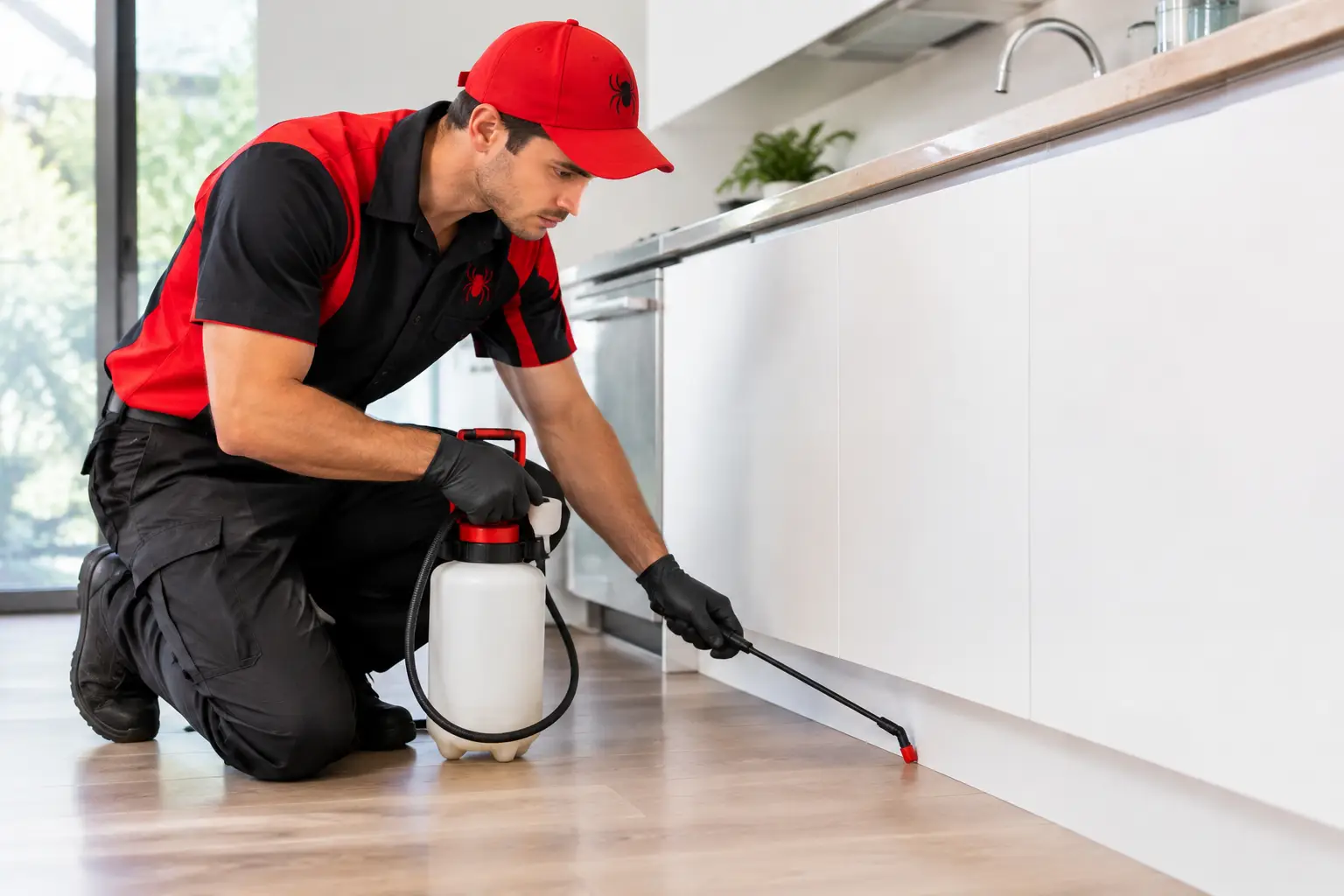
One cockroach in an apartment kitchen is rarely just one cockroach. In shared buildings, pests can move through wall voids, plumbing lines, ceiling spaces, garbage rooms, and adjoining units. Effective cockroach treatment for apartments needs to address the source of the activity, not simply spray the roach seen near the sink.
For tenants, landlords, and strata managers across Gosford, Erina, Woy Woy, Terrigal, and the wider Central Coast, early action protects comfort, hygiene, and the property’s reputation. No worries, no stress – but do not wait for a small problem to spread through the building.
Why apartment cockroach problems spread so quickly
A stand-alone home may have one obvious entry point or nesting area. Apartments are different. German cockroaches, the small light-brown roaches most often found in kitchens and bathrooms, breed close to warmth, moisture, and food. They can shelter behind refrigerators, inside cabinet hinges, around dishwashers, and in tiny cracks near plumbing.
When a resident uses an aerosol insect spray, it may kill exposed roaches but can also push others deeper into hiding. Eggs remain protected, and roaches may migrate into the next unit. This is why isolated DIY treatment often produces a short-lived improvement followed by fresh activity a few weeks later.
In older apartment blocks around Long Jetty, The Entrance, and Ettalong Beach, gaps around pipes and worn seals can create easy travel routes. Newer buildings are not immune either. A delivery carton, secondhand appliance, or neighboring unit with an untreated infestation can introduce cockroaches into a clean apartment.
What professional cockroach treatment for apartments involves
A proper service starts with inspection. A licensed technician checks likely harborages, asks where activity is occurring, and looks for contributing conditions such as leaking pipes, overflowing bins, unsealed food, or gaps around services. In a multi-unit property, the goal is to understand whether the issue is limited to one apartment or likely moving between units.
Targeted gel bait is commonly used for German cockroaches because it is placed in discreet areas where roaches feed and travel. Roaches carry bait back to harborages, helping reach insects that never emerge during the visit. Depending on the site, the technician may also use crack-and-crevice treatments, insect growth regulators, monitoring traps, or a perimeter treatment for larger outdoor cockroaches.
The right approach depends on the species, the level of activity, the apartment layout, and who occupies the property. Homes with young children, pets, allergy concerns, or food preparation areas need careful product selection and clear preparation advice. A treatment plan should be practical for the household, not a one-size-fits-all spray.
| What you see | What it may mean | Best next step |
|---|---|---|
| Small roaches in kitchen drawers at night | Possible German cockroach harborage nearby | Arrange an inspection and targeted bait treatment |
| Large roach near a drain or balcony | Outdoor species may be entering from outside | Check seals, drainage, and exterior entry points |
| Roaches returning after store-bought sprays | Hidden nest, eggs, or activity in another unit | Use a coordinated building treatment plan |
The role of tenants, landlords, and strata
Responsibility can depend on the tenancy agreement, the source of the infestation, and whether the problem affects common property or multiple apartments. Rather than arguing over blame while cockroaches multiply, document what you have seen. Note the rooms affected, the frequency of sightings, and whether neighboring residents have reported similar activity.
Tenants can support treatment by removing food scraps, emptying garbage regularly, storing pantry goods in sealed containers, and reporting leaks promptly. Before a service, they may be asked to clear items from under sinks, reduce clutter in kitchen cabinets, and avoid spraying over bait placements.
Landlords and property managers should respond promptly and communicate treatment instructions clearly. If activity is present in several apartments, treating only the unit that complained may not solve the issue. Strata managers may need to coordinate access to adjoining units, common garbage areas, electrical cupboards, and service risers to stop the pest cycle.
Preparation makes treatment more effective
Cleaning is useful, but excessive cleaning immediately after bait placement can remove the product before roaches feed on it. Follow the technician’s instructions about what to clean, what to leave alone, and when it is safe to return items to treated areas. Fixing moisture problems is equally important: a dripping mixer tap or leaking dishwasher line can keep cockroaches supplied with water even in an otherwise tidy apartment.
When one apartment needs a whole-building response
Repeated sightings, roaches in daytime, complaints from multiple levels, or activity in shared waste rooms are signs that building-wide coordination may be needed. This is especially relevant for strata complexes in busy areas such as Tuggerah, Wyong, Kincumber, and Bateau Bay, where apartments, retail spaces, and food businesses can sit close together.
A professional program may use monitoring devices to identify hotspots, schedule follow-up visits to break the breeding cycle, and provide reporting that helps managers track progress. Follow-up is not a failure. With German cockroaches, it is often the sensible way to address newly hatched nymphs and confirm that bait has reached the active harborages.
Redback Pest Control Central Coast can assess apartment cockroach activity and recommend a treatment plan suited to a single unit, rental property, or strata complex. The focus is practical control, clear advice, and reducing the conditions that let roaches return.
Do not let a small sighting become a building problem
If you have seen droppings, egg cases, or roaches moving around the kitchen after dark, take photos if you can and report the issue early. Avoid foggers and repeated surface spraying, which can scatter cockroaches without reaching the nest. A targeted inspection gives you a clearer answer and helps protect your budget, tenants, and property.
Fast action is usually simpler than managing a long-running infestation across several apartments.