
A termite problem rarely arrives with a neat, fixed price tag. The cost of a termite treatment on the Central Coast depends on where termites are active, how they entered, the construction of the home, and the protection needed after the colony is controlled. A small, early discovery may be resolved with a targeted treatment and monitoring plan. Hidden damage behind walls, beneath flooring, or around a slab edge can require a much broader response.
For homeowners in Gosford, Terrigal, Erina, Woy Woy, and across the Central Coast, the smartest question is not simply, “What is the cheapest treatment?” It is, “What will stop the active termites and reduce the chance of them returning?” Protect your property and protect your budget by getting the infestation properly assessed before choosing a treatment.
What does termite treatment usually cost?
A professional termite inspection is usually the first cost. This identifies signs of activity, accessible entry points, moisture issues, timber risks, and whether the termite species is likely to be attacking from soil or another concealed location. The inspection also determines whether treatment is urgent.
Treatment costs can range from a few thousand dollars for a localized issue to substantially more for widespread activity or a large property needing a comprehensive management system. As a general guide, localized corrective work may start around $2,000, while termite baiting systems and full chemical barriers commonly sit in the several-thousand-dollar range. Extensive infestations, difficult access, large homes, or complex construction can exceed those figures.
These are planning figures, not a substitute for an inspection. A quote based only on a photo of mud tubes or damaged trim can miss the real extent of the problem. Termites may travel well beyond the visible evidence.
| Service or treatment approach | Typical cost consideration | Best suited to |
|---|---|---|
| Termite inspection and report | Varies by building size, access, and inspection scope | Any suspected activity, purchase, or routine risk check |
| Localized corrective treatment | Often lower than whole-property protection, but depends on access | Clearly identified, limited activity |
| Baiting and monitoring system | Installation plus ongoing monitoring visits | Active colonies and properties needing flexible protection |
| Chemical soil barrier | Driven by perimeter length, drilling, excavation, and site conditions | Homes where a continuous treated zone can be established |
What changes the cost of a termite treatment Central Coast?
The biggest cost driver is not the suburb. It is the building and the termite activity. A weatherboard home in Umina Beach with a raised subfloor has different access points and treatment options from a brick veneer home on a slab in Berkeley Vale. Both can be at risk, but the work involved can be very different.
How far the termites have spread
Termites often remain hidden while feeding on timber framing, skirting boards, door jambs, cabinetry, or flooring. If the activity is confined to one accessible area, treatment can be more straightforward. If they have found several concealed routes, the technician may recommend a combination of direct treatment, baiting, and a perimeter protection plan.
The property layout and access
A tight subfloor, retaining walls, concrete paths, patios, garages, extensions, and built-in garden beds can all affect the time and materials required. Soil barriers may need careful drilling through concrete or trenching along accessible sections. Homes with additions can also have construction joins that deserve special attention.
The treatment method
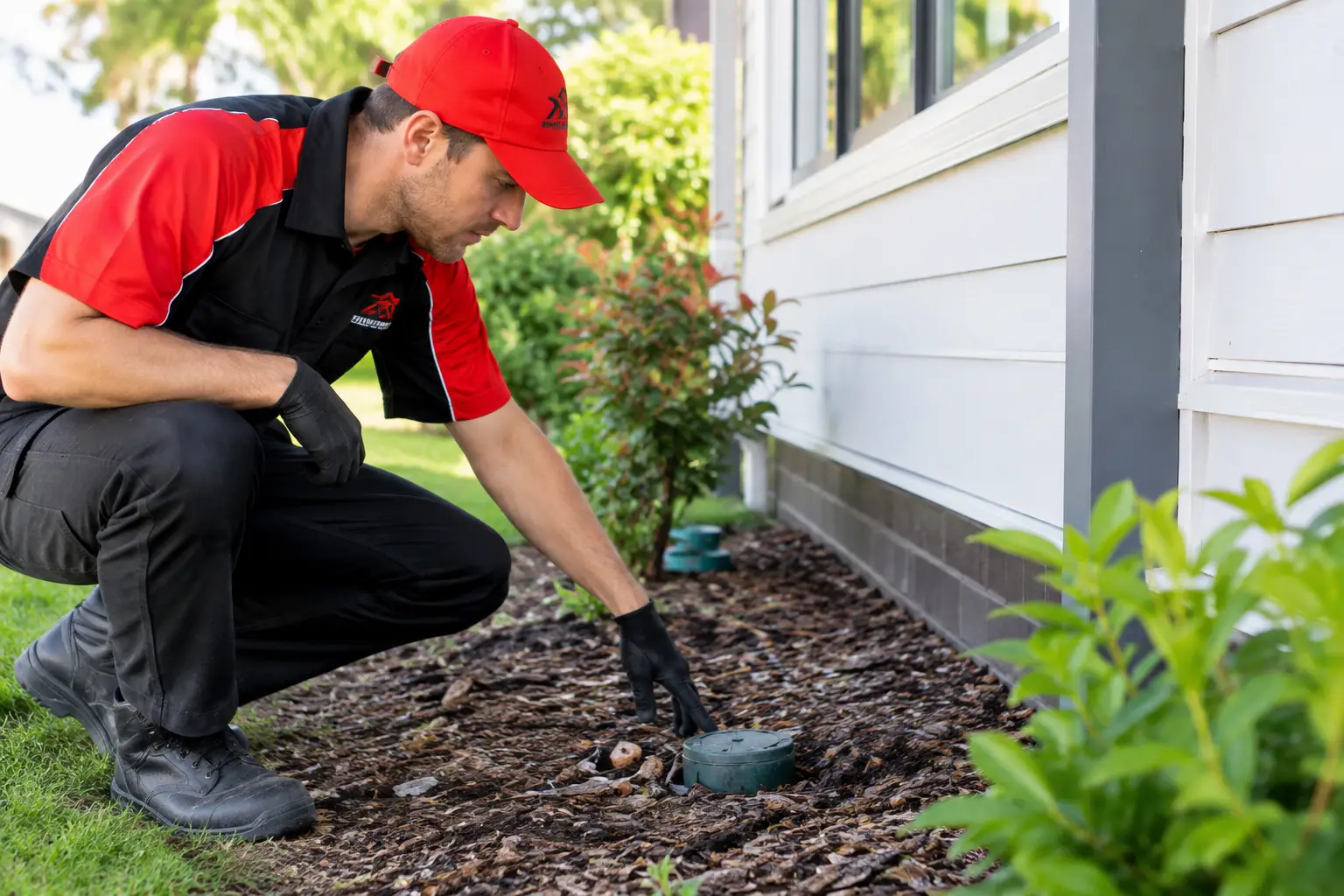
Baiting is designed to be monitored over time and can be a practical option where soil treatment access is limited or active colony control is the priority. A chemical barrier creates a treated zone around vulnerable entry areas, but it needs suitable site conditions and careful installation. Neither method is automatically better. The right option depends on the findings, the construction, and how the property will be monitored going forward.
Existing protection and moisture conditions
A home may already have a termite management system, but it could need refilling, repair, inspection, or a revised strategy. Leaking taps, poor drainage, blocked vents, timber stored against the home, and mulch piled high against exterior walls can make termite conditions more favorable. Fixing these issues does not replace treatment, but it can reduce ongoing risk.
Why the cheapest quote can cost more
A low quote can be attractive when you are worried about repair bills, especially for landlords, investors, and families managing a tight budget. But compare what is actually included. Does the quote identify the treatment zone? Does it explain whether active termites will be controlled? Are monitoring visits included where baiting is proposed? Is there a clear report outlining findings and recommendations?
The cheapest option may only address visible damage rather than the termite pathway. On the other hand, the most expensive proposal is not always necessary if activity is limited and the building allows a targeted solution. Clear scope matters more than a single headline number.
Ask whether the price includes inspection, labor, materials, treatment installation, follow-up visits, reporting, and any recommended annual checks. Also ask what preparation is needed from the owner, such as moving stored items away from walls or clearing subfloor access. A good termite quote should make those practical requirements easy to understand.
Treatment is only one part of property protection
Stopping the current infestation is urgent, but ongoing inspections are what help catch new activity before damage becomes severe. The Central Coast has homes near bushland, coastal vegetation, established gardens, and damp drainage areas, all of which can create favorable termite conditions. Properties in Kincumber, Kariong, Tuggerah, and surrounding areas can face very different site conditions, yet regular inspection remains the common safeguard.
For a pre-purchase inspection, do not rely on a seller’s statement that there have been “no termites.” A qualified timber pest inspection can identify visible evidence, risk factors, and areas that could not be accessed. For owners, annual professional checks are commonly recommended, with more frequent attention appropriate for properties with known activity, previous damage, high moisture, or difficult-to-inspect areas.
Redback Pest Control Central Coast can assess the evidence, explain practical treatment choices, and provide a clear scope before work begins. No worries, no stress, no termites starts with knowing what is happening around and within your home.
If you have found mud tubes, damaged timber, or flying termites, do not wait for the damage to become your next renovation project. Arrange an inspection, get the facts, and choose protection that fits the property rather than a one-size-fits-all price.