

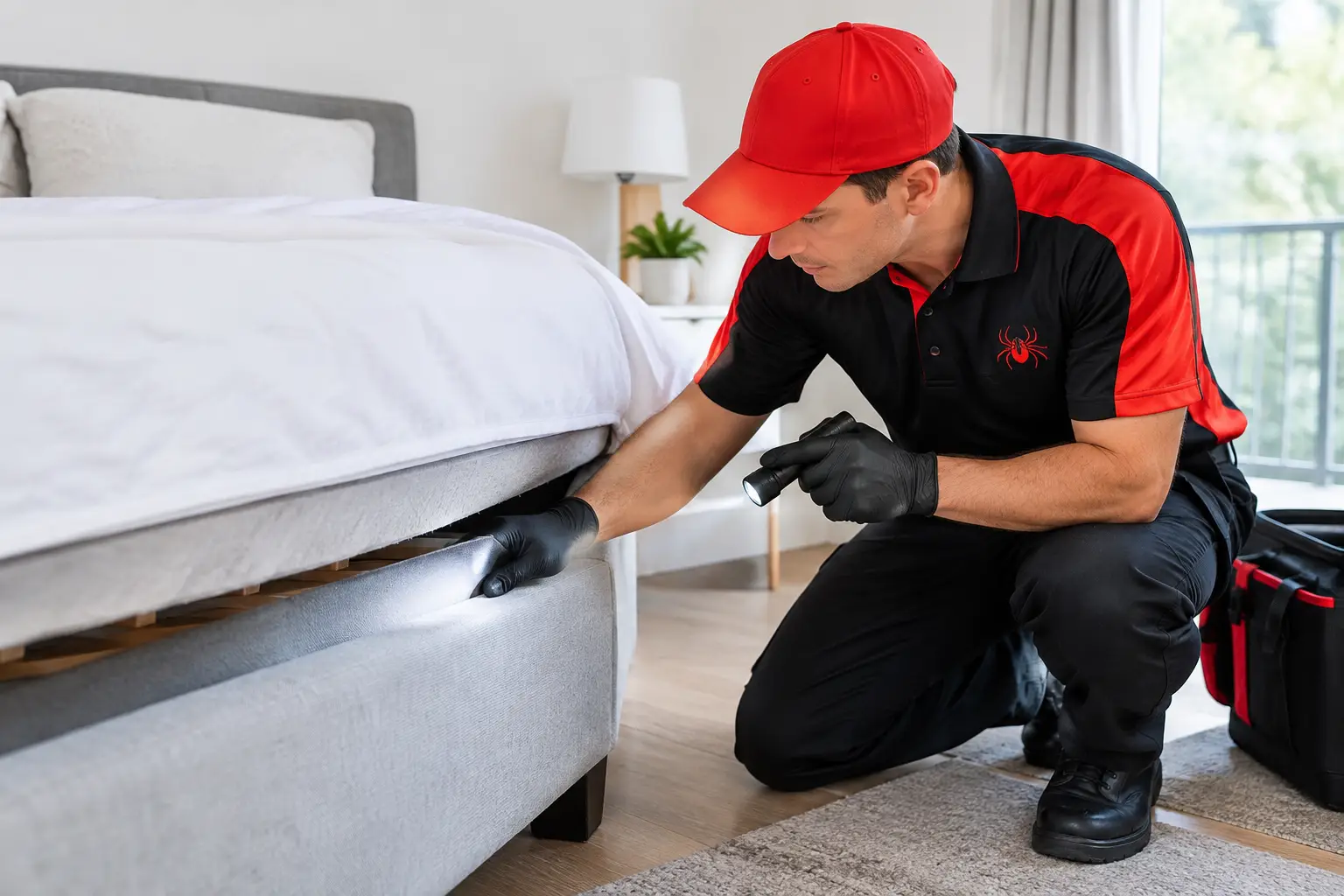
A single bed bug can turn a routine tenancy issue into an urgent property problem. Effective bed bug treatment for rental property requires quick reporting, clear access arrangements, professional inspection, and cooperation from everyone living in the home. Waiting to see whether the bites stop or trying one can of store-bought spray often gives bed bugs time to spread into beds, lounges, luggage, skirting boards, and neighboring units.
For landlords, tenants, and property managers across the Central Coast, the goal is simple: protect the occupants, protect the rental income, and stop the infestation before it becomes more disruptive and expensive. Redback Pest Control Central Coast provides practical advice and professional treatment options for rental homes, apartments, holiday accommodation, and strata properties.
Why bed bugs are difficult in rental homes
Bed bugs are hitchhikers, not a sign that a property is unclean. They can arrive in luggage, secondhand furniture, moving boxes, clothing, or belongings carried between homes. In a rental property, residents may be reluctant to report bites early because they are worried about blame. That delay can allow a small issue to become a treatment across several rooms.
Multi-unit buildings add another complication. Bed bugs can move through wall voids, around plumbing penetrations, and between adjoining rooms. A bed bug report in an apartment at Gosford, Long Jetty, or The Entrance may call for inspection of adjacent units or common risk areas, depending on the building layout and evidence found.
Signs that call for a bed bug inspection
Itchy bites alone do not prove bed bugs. Mosquitoes, fleas, skin conditions, and other pests can cause similar marks. A trained technician looks for physical evidence rather than relying only on bite patterns.
Check mattress seams, bed frames, bedside furniture, upholstered chairs, and the edges of carpet for live insects, pale shed skins, tiny white eggs, or small dark spotting. Bed bugs are flat, oval insects, usually reddish brown when mature. They hide in narrow cracks during the day and often feed at night, so occupants may not see them immediately.
Property managers should take reports seriously when a tenant describes recurring bites after sleeping, dark marks on bedding, or insects around a bed frame. Prompt documentation and a professional assessment help establish what is present and what scope of treatment is actually needed.
Who handles bed bug treatment in a rental property?
Responsibility can depend on the tenancy agreement, how the infestation may have started, the property condition, and applicable NSW tenancy requirements. That is why it is sensible to avoid assumptions or accusations. Tenants should report suspected activity in writing as soon as possible and allow reasonable access for inspection and treatment. Landlords and managing agents should respond promptly, arrange qualified pest advice, and communicate the next steps clearly.
A professional report can be particularly valuable where responsibility is unclear. It records the areas inspected, evidence located, treatment recommendations, preparation requirements, and any need for follow-up. In strata buildings, the manager or owners corporation may also need to be involved if there is a potential risk beyond one lot.
| Person involved | Practical first action |
|---|---|
| Tenant | Report signs quickly, keep affected items in place, and follow the preparation instructions. |
| Landlord or agent | Arrange an inspection, provide clear access notice, and retain treatment records. |
| Strata manager | Assess whether nearby lots or shared building areas need coordinated action. |
How professional bed bug treatment works
There is no reliable one-size-fits-all treatment. The best approach depends on the size of the infestation, the rooms affected, furniture type, resident preparation, and whether the property is a detached home, unit, serviced apartment, or short-term rental. A licensed technician begins with an inspection, then recommends an integrated treatment plan.
Targeted insecticide treatment may be applied to bed frames, furniture joints, cracks, carpet edges, and other hiding places. Products and application methods are selected for the site and used according to label directions. In some situations, non-chemical measures such as careful vacuuming, mattress encasements, laundering, drying, and reducing clutter are just as important as the treatment itself.
Heat can be useful in certain circumstances, but it is not automatically the best or most affordable choice for every rental. Whole-room heat work needs careful setup and monitoring, while localized treatment may be more suitable for a contained infestation. A technician should explain the trade-offs before work begins.
Preparation is part of the treatment
Preparation affects results. Residents may be asked to bag clothing and linen before moving it, wash and dry suitable items on the hottest settings permitted by their care labels, vacuum carefully, and clear access around beds and furniture. Items should remain sealed after drying until the technician advises otherwise.
Do not use bug bombs or foggers. They can drive bed bugs deeper into walls and furniture, leave residues in living areas, and make a targeted professional service more difficult. Likewise, avoid spraying mattresses or belongings with unapproved products.
Follow-up visits and preventing a return
Bed bug eggs can complicate a single-visit solution, so follow-up inspection or treatment is often recommended. The timing and number of visits depend on the treatment method, level of activity, and what is found at the return inspection. Residents should continue to report bites or sightings, but remember that skin reactions can persist after the insects are gone. Physical evidence and inspection findings matter most.
For furnished rentals and holiday properties around Terrigal, Avoca Beach, and Umina Beach, regular checks of bed frames, mattresses, and upholstered furniture can identify problems early between tenancies. Inspect secondhand furniture before bringing it inside, keep protective mattress encasements in good condition where appropriate, and give cleaning staff a simple process for reporting spotting, insects, or guest complaints.
Good records also protect everyone. Keep the initial report, photos where available, inspection notes, preparation instructions, invoices, and follow-up findings. Clear communication reduces confusion and helps a property return to normal use with less stress.
Get the problem assessed before it spreads
If you manage a rental property in Wyong, Erina, Woy Woy, Kincumber, or elsewhere on the Central Coast, do not wait for a suspected bed bug issue to become a vacancy, complaint, or dispute. Arrange a professional assessment, follow the preparation advice closely, and give the treatment plan time to work. No worries, no stress – just practical pest control advice focused on protecting people and property.