
Are Chemical Termite Treatments Safe for Central Coast Homes?
Chemical termite treatments are widely used to help protect Australian homes from subterranean termites. For homeowners across Gosford, Terrigal, Erina, Wyong, Woy Woy and surrounding Central Coast suburbs, understanding how these treatments work and the precautions involved is important before arranging termite protection.
When professionally selected and applied by licensed technicians in accordance with Australian regulations and registered product labels, chemical termite treatments can be an effective part of a long-term termite management strategy.
However, treatment methods, safety precautions and maintenance requirements vary depending on the product, property construction and surrounding conditions.
How Chemical Termite Treatments Work
Chemical termite treatments generally involve creating treated soil zones around vulnerable areas of a building. Depending on the product and installation method, these treatments may help prevent termites from entering or allow termites contacting the treated zone to be controlled.
Common application methods include:
Soil trenching: Applying an approved termiticide to designated soil areas beside building foundations.
Concrete drilling and injection: Accessing soil beneath paving or concrete where permitted and appropriate.
Pre-construction treatments: Installing chemical protection before concrete slabs and other building elements are completed.
Reticulation systems: Using installed distribution networks that allow designated treatment zones to be replenished when required.
Targeted termite treatments: Applying suitable registered products to specific termite activity locations where appropriate.
The correct method depends on building construction, available access, termite activity and the product’s registered application instructions.
Chemical Termite Treatment Options
| Treatment Method | Typical Application | Important Consideration |
|---|---|---|
| Chemical soil barrier | Around foundations and vulnerable entry locations | Treatment continuity and correct application are essential |
| Trenching and soil treatment | Accessible soil beside building foundations | Landscaping, drainage and underground services must be considered |
| Drill-and-inject treatment | Beneath suitable concrete or paved areas | Drilling locations and application must follow approved instructions |
| Termite reticulation refill | Existing installed reticulation networks | System compatibility and product requirements must be confirmed |
| Pre-construction chemical treatment | New residential building projects | Installation timing and construction details affect protection |
Are Chemical Treatments Safe Around Children and Pets?
Homeowners should discuss children, pets, gardens, water sources and sensitive areas with their licensed termite technician before treatment.
All termiticides must be registered for their intended use and applied according to current APVMA-approved label directions.
Important safety considerations include:
Following all preparation and access restrictions specified for the product.
Keeping children and pets away from treatment areas for the period required by the label.
Identifying fishponds, drains, water tanks, wells and edible gardens before treatment.
Preventing unauthorised access to drilling, trenching and application areas.
Obtaining appropriate re-entry instructions and treatment documentation.
There is no single re-entry period that applies to every chemical termite treatment. Requirements depend on the product, application method and site conditions.
Termite Reticulation Systems and Chemical Recharging
Many Central Coast properties have existing termite reticulation systems installed during construction.
These systems may include Termguard, TermStop, TermX Retic, Altis and other replenishable termite management networks.
Reticulation systems are designed to provide access to designated soil treatment zones without necessarily requiring the original installation area to be reopened.
Before recharging, a technician should assess the existing system, available documentation, refill points and suitability of the proposed registered treatment product.
Refill timing depends on the particular system, product label requirements, previous treatment records and property conditions. Homeowners should not assume every system requires recharging at the same interval.
What Can Affect an Existing Chemical Barrier?
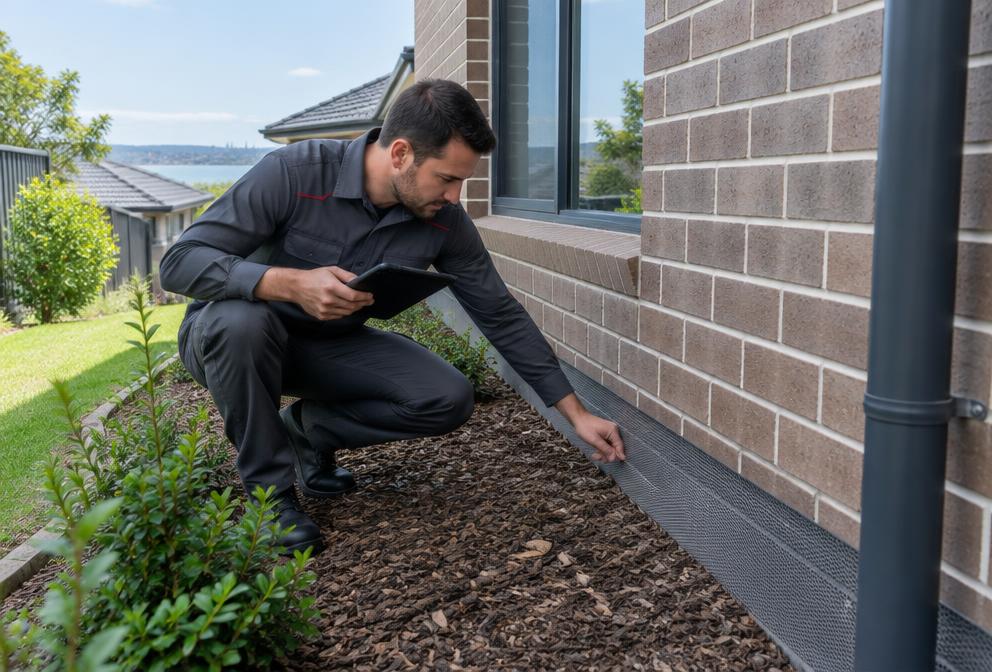
Chemical termite protection can be affected by changes around the property.
Common examples include:
Excavation or landscaping near foundations.
New plumbing or underground services.
Concrete paving and extensions.
Garden beds or raised soil concealing inspection areas.
Soil movement, drainage problems or erosion.
Building renovations affecting previously protected areas.
If significant changes have occurred, a professional assessment can determine whether additional protection or maintenance is required.
Why Annual Termite Inspections Remain Important
A chemical termite treatment does not replace regular professional termite inspections.
Inspections help identify visible termite activity, moisture problems, possible concealed entry routes, construction changes and areas requiring further investigation.
Existing termite barriers should also be assessed as part of the property’s ongoing termite management program.
Professional Chemical Termite Treatment on the Central Coast
Whether your property requires a new chemical termite treatment, assessment of an existing barrier or servicing of a reticulation system, selecting the appropriate method starts with understanding the building and its termite risks.
Redback Pest Control Central Coast provides professional termite inspections, chemical treatment recommendations and ongoing termite management services for residential and commercial properties throughout the Central Coast.
A properly planned treatment, accurate documentation and ongoing inspections all contribute to effective long-term termite risk management.
Practical next steps
- Photograph suspicious areas without disturbing them.
- Check nearby moisture sources and accessible timber.
- Arrange a licensed termite inspection for reliable identification.
When to call a professional
If you find suspected activity, unexplained timber damage or conditions that concern you, avoid disturbing the area. A licensed termite professional can identify the evidence, explain the accessible findings and recommend options suited to the property.