
Termites do not wait for a convenient time to attack. They can enter through tiny gaps around pipes, cracks in concrete, and concealed slab edges, then feed on structural timber without obvious surface damage. For homeowners weighing up treatment, chemical termite barrier safety Australia is a fair question: you want termites stopped without creating unnecessary risk for your family, pets, garden, or budget.
A professionally installed chemical barrier is not a casual spray around the house. It is a planned termite management system, selected for the building and applied in precise locations by a licensed technician. For homes in Gosford, Terrigal, Erina, Woy Woy, and across the Central Coast, the right approach is about protecting the property while keeping exposure controlled and clearly explained.
How chemical termite barriers work
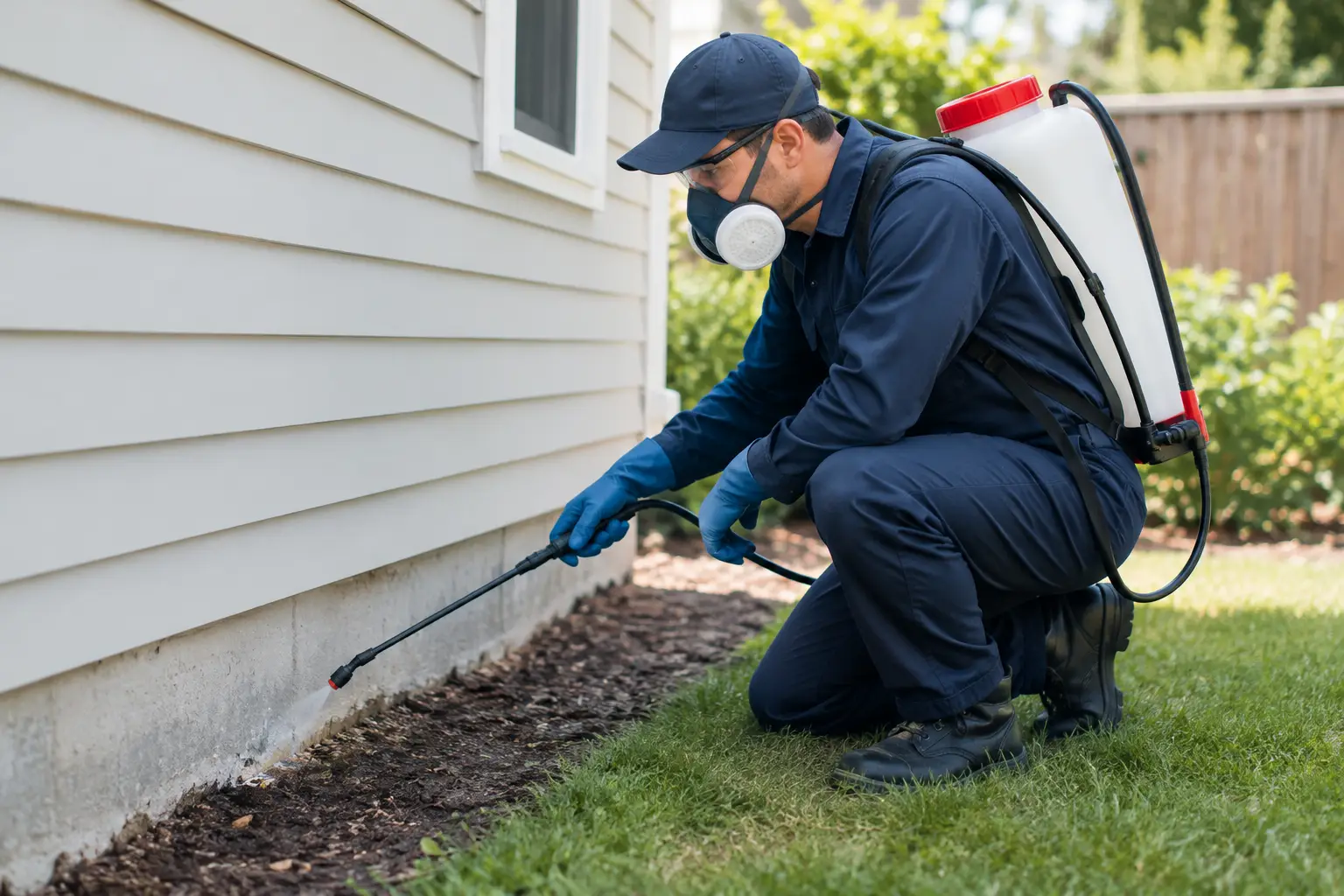
A chemical barrier places an approved termiticide in the soil where termites are most likely to travel between their nest and the building. The treated zone may be installed along external walls, around service penetrations, beneath accessible floors, or through carefully drilled points beside slabs and paths. The aim is to create a continuous defensive zone, not to saturate every part of the yard.
Some products are designed to repel termites, while others are non-repellent. Non-repellent treatments are often favored because termites cannot easily detect the treated soil and may carry the active ingredient back through their colony. The best product and application method depend on construction type, drainage, soil, access, termite activity, and whether a previous system is already in place.
Central Coast homes present varied conditions. A brick veneer home in Kariong may have different slab edges and drainage issues from an older timber-floored property in Umina Beach or a coastal investment property near The Entrance. That is why a proper inspection comes before a recommendation.
Chemical termite barrier safety in Australia: the practical facts
Professional termite products are regulated and must be used according to their approved label directions. Safety comes from product choice, correct dilution, controlled application, and avoiding areas where treatment is not needed. It also comes from the technician identifying risks before work starts, including water tanks, drains, edible gardens, fish ponds, subfloor ventilation, and neighboring properties.
During treatment, occupants and pets may need to stay clear of active work areas. The required re-entry period depends on the product, the treatment location, and label directions. A technician should explain this before starting, along with any advice about covering fish ponds, moving pet bowls, closing windows near an application area, or keeping children away from drilled and treated zones.
Once the treatment is complete and the application area has dried or been covered as required, normal use can generally resume in line with the instructions provided. Do not hose down treated soil, disturb trenching, or remove treated material unless you have checked first. These actions can reduce the barrier’s effectiveness and may create an avoidable exposure issue.
What a safe, professional treatment should include
| Treatment step | Why it matters |
|---|---|
| Detailed inspection | Finds termite entry points, construction risks, moisture issues, and active damage before product is selected. |
| Site-specific application plan | Limits treatment to necessary areas and addresses gardens, tanks, drains, and access constraints. |
| Licensed application | Helps ensure the product is mixed, applied, and documented according to label requirements. |
| Written report and aftercare advice | Gives owners clear records, safety instructions, treatment details, and inspection recommendations. |
Are chemical barriers safe for pets and children?
They can be used safely when the right product is professionally applied and the household follows the aftercare directions. The key is that “safe” does not mean “ignore the instructions.” A treated perimeter is not a play area while work is underway, and pets should never be allowed to dig in freshly treated soil.
Extra care is needed around fish ponds and aquariums. Fish are particularly sensitive to many pest-control products, so a technician needs to know about them before treatment. The same applies to vegetable patches, chicken coops, compost areas, and rainwater collection systems. These do not always rule out a chemical barrier, but they can change where and how treatment is completed.
If a child or pet has direct contact with a wet product, or you have concerns after treatment, follow the directions supplied and seek appropriate medical or veterinary advice. Keep the treatment documentation accessible so you can identify the product if needed.
When another termite option may be better
A chemical barrier is highly effective in many situations, but it is not automatically the best answer for every Central Coast property. Tight access, complex drainage, extensive paving, sensitive landscaping, or an active colony in a difficult location may make a baiting and monitoring program more suitable. Bait systems work differently: stations are monitored and bait is used to target feeding termites over time.
In other cases, a combined approach makes sense. A localized chemical treatment may stop immediate entry while monitoring stations provide ongoing surveillance around the property. Reticulation systems can also allow future barrier replenishment with less disruption where suitable infrastructure is already installed.
The trade-off is straightforward. Chemical barriers can provide strong protection quickly when continuity is achievable, but they need careful installation and periodic inspection. Baiting can be less disruptive to some sites, yet it relies on regular monitoring and termite feeding behavior. No worries, no stress, no termites starts with choosing the method that matches the building rather than the cheapest one-size-fits-all quote.
Safety depends on maintenance, not just installation
A barrier should never be treated as a permanent excuse to skip inspections. Landscaping changes, new garden beds, plumbing leaks, soil movement, renovations, and termite bridges can all compromise protection. Mulch piled against walls, timber stored beside the house, and damp subfloor conditions can also make a property more attractive to termites.
Regular professional inspections remain essential, particularly for homes around bushland, damp gullies, and coastal areas such as Avoca Beach, Kincumber, and Berkeley Vale. Look for mud tubes, bubbling paint, hollow-sounding timber, tight doors or windows, and small piles of discarded wings. These signs do not prove the extent of damage, but they warrant prompt attention.
Redback Pest Control Central Coast can assess active termite concerns, explain chemical barrier options in plain language, and provide a clear treatment report. Protect your property early. A well-planned termite program is far easier to manage than hidden structural damage discovered after the fact.