
Termite Baiting and Monitoring Systems for Central Coast Homes
Termite baiting systems are an established method of detecting and managing subterranean termite activity around residential and commercial properties. Across the Central Coast, including Gosford, Terrigal, Erina, Wyong, Woy Woy, Bateau Bay and surrounding suburbs, termite monitoring can form an important part of a long-term termite management program.
Unlike a one-off chemical treatment, termite baiting involves strategically positioned monitoring stations, regular inspections and targeted bait applications when termite activity is identified.
The objective is to detect termite foraging activity, introduce an appropriate termite bait when required and manage the affected colony through a professionally monitored program.
How Termite Baiting Systems Work
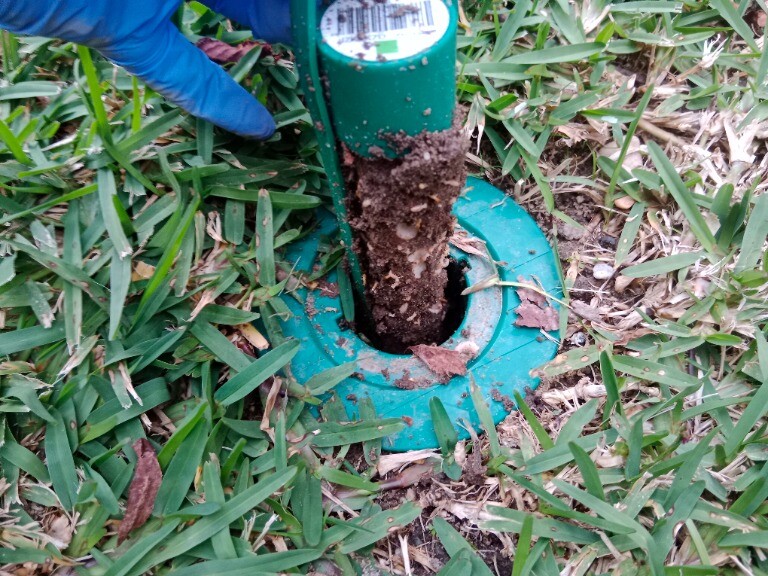
Termite baiting systems use specially designed stations installed in suitable locations around a property.
Subterranean termites naturally forage through soil in search of cellulose materials. When termites encounter a monitoring station, their activity can be assessed and a suitable bait introduced according to the selected system.
A typical termite baiting program includes:
Initial termite inspection: Assessing the property for termite activity, construction risks and suitable monitoring locations.
Station installation: Installing monitoring stations in accessible locations around the building.
Regular inspections: Checking stations for termite activity, feeding and system condition.
Bait introduction: Introducing registered termite bait when appropriate activity is detected.
Colony management: Monitoring feeding activity and evaluating the response to the baiting program.
Ongoing maintenance: Continuing inspections and monitoring for further termite activity.
Termites must encounter the stations for the system to work. Installation alone does not guarantee that termites will immediately locate or feed on bait.
Common Termite Baiting and Monitoring Systems
Several termite baiting technologies are used in Australian termite management.
| System | Typical Application | Important Consideration |
|---|---|---|
| Sentricon | In-ground monitoring and termite baiting | Requires appropriate servicing and activity assessment |
| Trelona ATBS | Termite baiting and colony management | Installation and monitoring follow system requirements |
| In-ground monitoring stations | Detecting termite foraging around buildings | Stations require regular inspections |
| Above-ground termite bait stations | Targeting accessible known termite activity | Placement depends on confirmed activity and site conditions |
| Ongoing monitoring programs | Maintaining surveillance following treatment | Monitoring does not replace building inspections |
The most suitable approach depends on termite species, property construction, site conditions, existing protection and the level of termite activity.
Where Are Termite Bait Stations Installed?
Termite monitoring stations are commonly positioned around suitable areas of a property’s perimeter.
Locations are selected according to accessible soil, termite risk, building construction, landscaping and evidence of activity.
Common installation areas include:
Garden beds and accessible soil surrounding foundations.
Locations near suitable timber structures and retaining walls.
Areas where termite foraging is suspected.
Suitable sections of the building perimeter.
Accessible locations that permit ongoing inspection and maintenance.
Practical advice: Homeowners should avoid moving station lids, covering stations with landscaping, or damaging monitoring equipment during gardening and property maintenance.
Station placement and spacing should be determined by the technician and the requirements of the selected system.
How Often Should Termite Bait Stations Be Checked?
Inspection frequency depends on the system, whether termites are actively feeding, the selected bait and site conditions.
Monitoring stations without recorded activity may follow a scheduled inspection program, while stations containing active termites can require more frequent servicing.
During a service visit, a technician may:
Inspect stations for termite activity.
Identify and record feeding or monitoring changes.
Assess station condition and accessibility.
Install, inspect or replenish appropriate termite bait.
Document findings and recommend further action.
Confirm the next monitoring appointment.
A station without visible termite activity does not mean the property is termite-free. Termites may continue foraging elsewhere without encountering the installed stations.
Termite Baiting Compared with Chemical Barriers
| Termite Baiting | Chemical Soil Treatment |
|---|---|
| Relies on termite foraging and bait consumption | Establishes treated soil zones at designated locations |
| May manage an active termite colony | Helps manage termite entry through treated areas |
| Requires station inspections and servicing | Requires assessment of barrier condition and continuity |
| Can involve in-ground and above-ground stations | May involve trenching, drilling or reticulation |
| Results depend on feeding and colony activity | Performance depends on product, application and site conditions |
Both methods can form part of a professional termite management program. The appropriate choice should be based on inspection findings rather than assuming one system is suitable for every property.
Why Termite Monitoring Is Important on the Central Coast
Central Coast properties can have conditions that favour termite activity, including moisture around buildings, concealed subfloor areas, garden beds, timber retaining walls and landscaping close to foundations.
Established homes, renovated properties and newer concrete slab houses can all have termite risks.
Homeowners should maintain clear access to termite monitoring stations, manage drainage problems and arrange inspections when changes are made to paving, gardens or external structures.
What Happens When Termites Are Found in a Station?
When a technician identifies termite activity, the next step depends on the species, feeding conditions, selected baiting system and inspection findings.
A suitable registered bait may be introduced and monitored over subsequent visits.
The technician should document the activity, assess bait consumption and determine whether continued baiting, additional stations or another termite management approach is appropriate.
Colony management takes time. Results are affected by termite feeding behaviour, colony conditions, environmental factors and the chosen system.
Do not disturb active termite stations or apply household insecticides to the equipment.
Does Termite Baiting Replace Annual Inspections?
No. Termite baiting and professional building inspections perform different roles.
Monitoring stations help detect activity at particular locations and can support colony management. A termite inspection assesses accessible building areas, evidence of activity or damage, moisture conditions and potential entry pathways.
Even where termite baiting is successful, future termite activity remains possible.
Regular professional inspections and ongoing monitoring remain important for long-term property protection.
Professional Termite Baiting on the Central Coast
Redback Pest Control Central Coast provides termite inspections, baiting and monitoring services for homeowners, strata properties and commercial premises throughout Gosford, Wyong, Terrigal, Erina, Woy Woy and surrounding Central Coast suburbs.
Whether you have discovered termite activity, are considering a new monitoring system or need servicing of existing termite bait stations, a professional inspection can help determine the most appropriate management approach.
A well-managed termite baiting program combines suitable station placement, accurate service records, ongoing monitoring and professional recommendations to help reduce the risk of termite damage.
Practical next steps
- Photograph suspicious areas without disturbing them.
- Check nearby moisture sources and accessible timber.
- Arrange a licensed termite inspection for reliable identification.
When to call a professional
If you find suspected activity, unexplained timber damage or conditions that concern you, avoid disturbing the area. A licensed termite professional can identify the evidence, explain the accessible findings and recommend options suited to the property.