

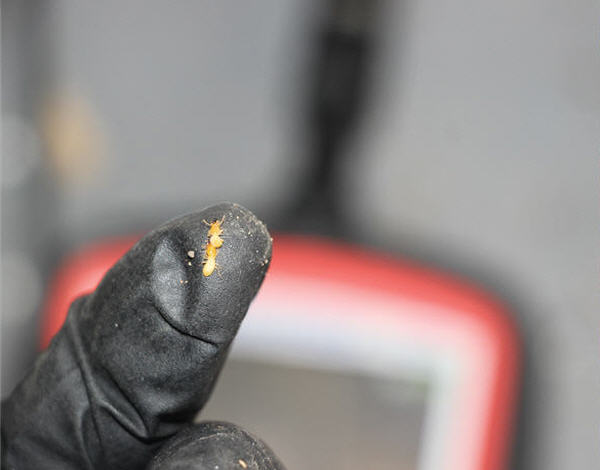
Erina properties can offer termites exactly what they need: moisture, timber, concealed entry points, and plenty of cover from gardens, paving, stored materials, and subfloors. A professional Termite Inspection Erina homeowners arrange early can find warning signs before a small, hidden problem becomes an expensive repair job. No worries, no stress, no termites starts with knowing what is happening around and beneath your home.
Why termite inspections matter in Erina
Termites do not need a dramatic hole in a wall to get inside. They can travel through tiny gaps around plumbing penetrations, construction joints, garden edging, and slab edges. Once concealed, they may feed on structural timber, skirting boards, door frames, cabinetry, and other cellulose-based materials without leaving obvious damage on the surface.
That is why a quick walk around the house is not a substitute for a thorough inspection. Termite activity is often hidden behind linings, under floor coverings, inside wall cavities, or below a suspended floor. By the time paint bubbles, a door sticks, or timber sounds hollow, the colony may have been active for some time.
Common Erina Pest Signs and Next Steps
Different pests leave different clues. Identifying those clues helps determine whether a targeted treatment, exclusion work, ongoing monitoring, or a detailed termite inspection is the sensible next step.
| Pest | Signs to watch for | Professional approach | Helpful prevention |
|---|---|---|---|
| Termites | Mud tubes, damaged timber, hollow sounds, bubbling paint | Inspection, species assessment, treatment and monitoring recommendations | Fix leaks, keep timber and mulch away from walls |
| Cockroaches | Droppings, egg cases, activity near kitchens or appliances | Targeted treatment of harborages and entry areas | Store food securely and reduce grease buildup |
| Rodents | Droppings, gnaw marks, roof noises, damaged packaging | Monitoring, control measures, and entry-point advice | Seal gaps and keep bins closed |
| Ants and spiders | Trails, nests, webs, repeated indoor sightings | Species-appropriate treatment around active areas | Trim vegetation and remove clutter near walls |
DIY products may reduce visible activity for a short period, especially with ants or crawling insects. The trade-off is that they often do not reach the nest, harborage, or concealed entry route. For a minor, isolated issue, basic sanitation and monitoring may be enough. Repeated activity, an infestation in a rental or commercial setting, or any suspected termite activity calls for a professional inspection.
Erina has a mix of established homes, renovated properties, investment homes, and busy commercial areas. Each property has different risk points. A house with a leafy yard and timber landscaping may need a different prevention plan from a newer home on a concrete slab. The right approach depends on construction, drainage, access, previous termite protection, and what the inspection finds.
What happens during a Termite Inspection Erina residents can rely on?
A professional termite inspection is a systematic check of accessible areas, not a quick spray or a guess based on one visible sign. The technician looks for evidence of live termites, old activity, conditions that make an attack more likely, and areas where inspection access is restricted.
Outside, this can include the perimeter of the building, slab edges, weep holes where present, garden beds against the house, retaining walls, timber structures, sheds, fences, rooflines, and drainage points. Inside, the inspection generally covers accessible rooms, skirting boards, window and door frames, wet areas, cupboards, garages, and other vulnerable timber components.
Where access is available and safe, subfloors and roof voids are checked as well. These areas matter because moisture, poor ventilation, leaking plumbing, and concealed timber can create favorable termite conditions. A technician may use moisture detection, sounding techniques, and other inspection equipment to investigate suspicious areas without unnecessary damage to finishes.
No inspection can see through every wall, under every floor covering, or into inaccessible cavities. A clear report should explain those limitations rather than creating false confidence. If an area cannot be inspected, you should be told why and what practical access improvements may help at the next visit.
The signs worth acting on now
Mud shelter tubes are one of the best-known termite signs. These narrow, soil-colored tunnels can appear on brickwork, concrete, piers, timber, or around service entries. Termites use them to move between the ground and their food source while staying protected from light and dry air.
Other signs can be more subtle. You may notice tight-fitting doors or windows, soft or blistered paint, hollow-sounding timber, damaged skirting, unexplained piles of wings near windows, or a persistent damp smell beneath the house. These signs do not always mean termites, but they are good reasons to arrange an inspection instead of waiting.
Flying termites, often called alates or swarmers, deserve attention too. A swarm does not automatically mean termites are feeding inside your home, but it confirms reproductive termites are active nearby. Keep a sample or take a clear photo if you can, then seek professional identification and advice.
Common termite risk points around Central Coast homes
The highest-risk conditions are usually practical issues that can be corrected. Timber garden edging or mulch piled against exterior walls can hide slab edges and hold moisture. Soil or paving built too high can bridge inspection zones. Leaking taps, overflowing gutters, blocked drains, and air-conditioning discharge can keep surrounding soil damp.
Stored timber, cardboard, old furniture, and building materials under the house or against an exterior wall can also attract termite foraging. They do not have to be part of the structure for termites to find them. Once a colony is feeding nearby, the building may become easier to locate.
Subfloor ventilation deserves attention in older homes around Erina, Gosford, and nearby Central Coast suburbs. Poor airflow can leave timbers damp and reduce visibility during future inspections. Improving drainage, repairing leaks, keeping vents clear, and maintaining sensible clearance around the building are straightforward steps that support a termite management plan.
Inspection frequency depends on the property
Many homes benefit from a professional termite inspection at least every 12 months. Higher-risk properties may need more frequent checks, especially where there has been previous termite activity, dense landscaping, moisture issues, limited subfloor access, nearby bushland, or a history of interrupted barrier protection.
If your property has a termite management system, routine inspections are still necessary. Chemical barriers can degrade or be disturbed by landscaping, plumbing work, excavation, and renovations. Baiting systems require scheduled monitoring because their effectiveness depends on stations being checked and maintained properly.
For landlords and property investors, documented inspections help support proactive maintenance decisions. For buyers, a pre-purchase timber pest inspection is a separate and valuable step before committing to a property. It can identify visible evidence of termites, borers, fungal decay, and risk conditions while there is still time to consider the findings.
If termites are found, what are the treatment options?
The best treatment depends on the termite species, extent of activity, construction type, access, and the source of moisture or entry. A licensed technician should explain the evidence found, the recommended treatment, the areas involved, and the follow-up work required.
Localized treatment may be appropriate in some situations, but it is not always the whole answer. In-ground baiting systems can target termite colonies over time and are useful where ongoing monitoring is practical. Chemical soil treatments may help create a protective zone around relevant parts of a structure, while reticulation systems can allow selected barriers to be replenished through installed piping.
There are trade-offs. Baiting needs regular monitoring and patience. Soil treatments can be affected by access, construction details, landscaping, and later disturbance. The priority is not choosing the most advertised option. It is choosing a treatment plan that suits the building and is supported by inspections, moisture control, and clear reporting.
Redback Pest Control Central Coast can assess the property, explain the practical options in plain language, and recommend the next step based on actual evidence rather than a one-size-fits-all treatment.
Prepare your property for a better inspection
A little preparation helps the inspection be more thorough. Clear stored items away from subfloor entries and garage walls where possible. Make sure gates are unlocked, pets are secured, and technicians can access roof voids, under-house areas, and exterior boundaries safely. If you have old treatment paperwork, inspection reports, or details about recent renovations, keep them available.
You do not need to pull apart gardens or remove wall linings. The goal is simply to provide sensible access and point out anything you have noticed, such as a leak, damaged timber, wings, or previous termite work. Small details can help direct the inspection.
A termite inspection is not about causing alarm. It is about replacing uncertainty with a clear picture of your property’s condition. If you have seen a warning sign, bought an older home, finished renovations, or cannot remember the last inspection, acting now can protect the home you have worked hard to build.