

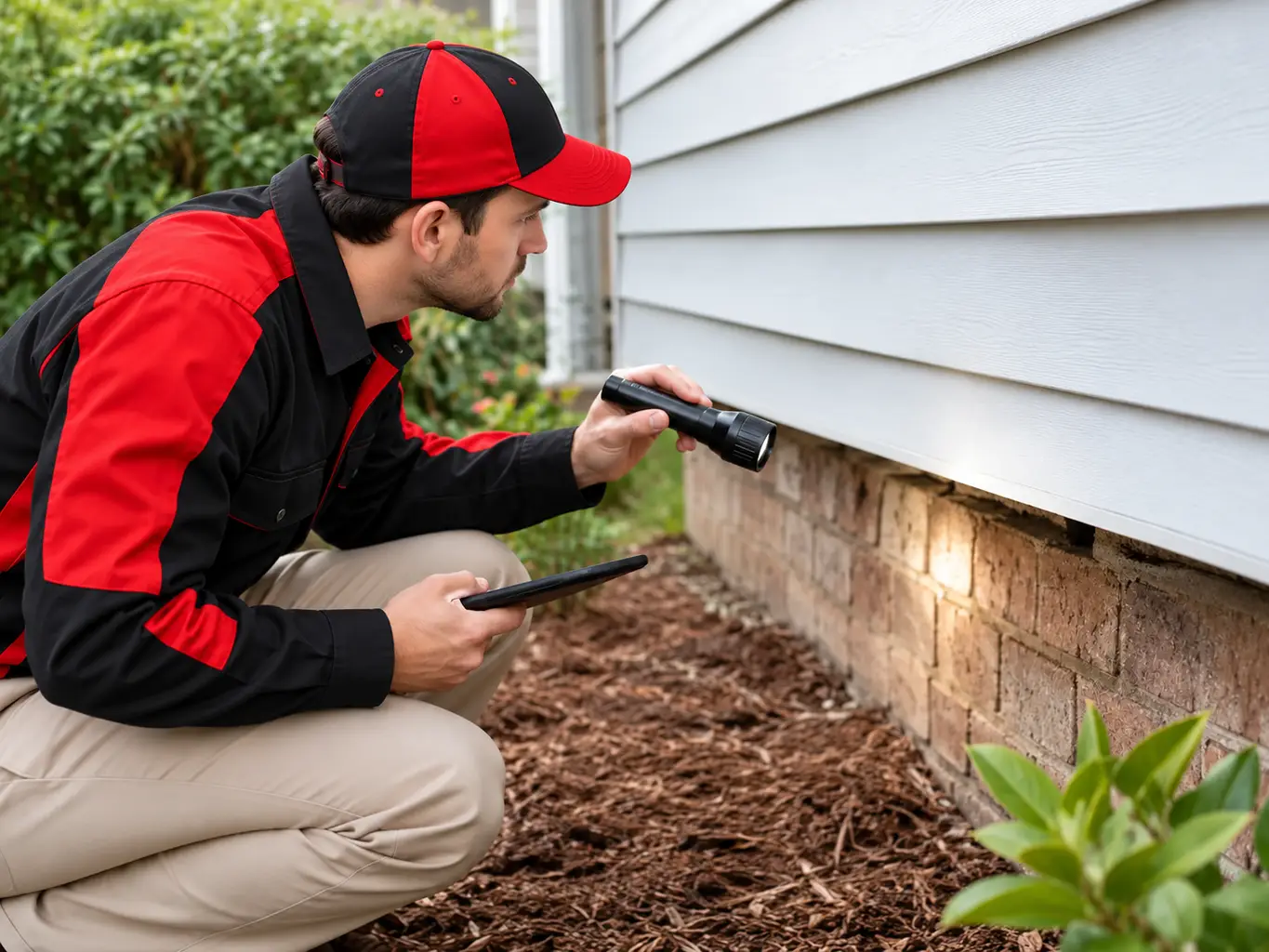
A termite problem rarely announces itself with a dramatic hole in the wall. More often, it starts behind a skirting board, beneath a bathroom, or inside a timber frame where you cannot see it. A professional Termite Inspection Gosford homeowners arrange early can identify active termites, conditions that attract them, and areas of a property that need closer protection before expensive damage develops.
Gosford homes face a genuine termite risk because moisture, established gardens, timber landscaping, subfloor areas, and the Central Coast climate can create favorable conditions. Whether you own an older weatherboard home in East Gosford, a brick property in Wyoming, or an investment property near Narara or Kariong, regular inspections are a practical way to protect your budget. No worries, no stress, no termites starts with knowing what is happening around and beneath your home.
Why termite inspections matter in Gosford
Subterranean termites need food, moisture, and protected travel paths. Timber framing, flooring, architraves, retaining walls, stored timber, and even cardboard left in a damp subfloor can become part of the problem. They often travel from the soil through concealed mud tubes, cracks around plumbing, construction joints, and gaps hidden by gardens or paving.
That concealed behavior is why a quick look around the yard is not enough. By the time bubbling paint, a hollow-sounding wall, or a soft timber floor is obvious, termites may have been feeding for some time. An inspection is designed to find evidence early, when the treatment choices and repair costs may be more manageable.
It is also worth remembering that clean, well-maintained homes can still be affected. Termites are not drawn to poor housekeeping. They are looking for access to timber and favorable moisture conditions, which can occur in homes of any age and construction type.
Signs that warrant a termite inspection
Termite activity can be subtle, but several warning signs deserve prompt attention. Mud tubes on brickwork, piers, retaining walls, or internal timbers are one of the clearest signs. These pencil-sized tunnels help termites move between soil and food while retaining moisture and avoiding light.
You may also notice timber that sounds hollow when tapped, doors or windows that suddenly stick, paint that looks blistered without an obvious leak, or skirting boards that feel fragile when lightly pressed. These signs are not proof of termites on their own. Water damage, timber decay, and building movement can look similar. That is exactly why an inspection from a trained technician is more useful than guessing.
Flying insects around windows or lights can also raise concern. Winged termites, known as alates, swarm when colonies are reproducing. Finding discarded wings indoors does not always mean termites are feeding in the house, but it does justify a closer look. Swarming termites and flying ants are often confused, so clear identification matters before a treatment decision is made.
What a Termite Inspection Gosford property owners can expect
A thorough termite inspection is a systematic assessment of accessible areas, not a quick walk-through. The technician checks the interior, exterior, roof void where accessible, subfloor where accessible, outbuildings, fences, retaining walls, garden edges, and other timber or moisture-prone areas close to the building.
Specialist tools may be used to investigate suspect areas without unnecessary damage. Moisture meters, sounding tools, and thermal imaging can help identify conditions that warrant closer examination. Technology supports the inspection, but it does not replace the technician’s experience or a careful visual assessment.
The report should explain whether there is evidence of active termites, previous termite damage, termite workings, or conditions that increase risk. It should also identify access limitations. A locked shed, dense vegetation against a wall, a low-clearance subfloor, fixed cabinetry, or stored goods can prevent full access. Good reporting is clear about what was inspected and what could not be inspected, so you can make informed next steps.
| Area checked | What the technician is looking for | Why it matters |
|---|---|---|
| Exterior walls and slab edges | Mud tubes, cracks, bridged barriers, and moisture | Termites may enter through hidden soil-to-timber pathways |
| Subfloor and internal timber | Damage, live activity, fungal decay, and leaks | Damp concealed spaces can support termite activity |
| Gardens and structures near the home | Timber debris, sleepers, stumps, and concealed edges | These can attract termites or hide their entry points |
Inspection frequency depends on your property
Many Central Coast properties benefit from an annual termite inspection, but the right interval depends on the home and its surroundings. A property with previous termite activity, dense gardens, poor drainage, a history of moisture issues, or nearby bushland may need closer monitoring. The same applies when a chemical barrier is aging, monitoring stations are in place, or renovations have altered a previously protected area.
For buyers, a pre-purchase timber pest inspection is a separate and important step. It helps identify visible signs of timber pests and conditions that may affect the decision to buy, negotiate, or seek further advice. Do not rely on a general building inspection alone unless it specifically includes a timber pest component.
Landlords and property managers should treat inspections as part of sensible asset protection. Tenants may be first to notice swarmers, damaged trim, or unusual mud lines, but treatment decisions require a professional assessment and clear communication. Acting quickly can reduce disruption for everyone.
What happens if termites are found?
Finding termites does not automatically mean one treatment suits every property. The right approach depends on the termite species, the location and extent of activity, construction style, access, existing protection, and the condition of the site. A licensed technician may recommend baiting and monitoring, a chemical soil barrier, localized treatment, or a combined approach.
Baiting systems are often useful where colony elimination is the objective or where soil treatment access is limited. They require scheduled monitoring and patience because termites must find and feed on the bait. Chemical barriers can provide protection at likely entry points, but their design depends on the building construction and whether complete access is available. Neither option should be presented as a one-size-fits-all fix.
If activity is confirmed, avoid removing timber, pulling apart mud tubes, or starting repairs before treatment advice is provided. Repairs can expose termite pathways, while disturbed termites may relocate. First address the active infestation and contributing conditions, then plan repairs with the right information.
Simple steps that reduce termite pressure
No prevention method can make a property completely termite-proof, but practical maintenance makes inspection and protection easier. Keep soil and garden mulch below weep holes, fix leaking taps and plumbing, direct water away from the building, and avoid storing timber, cardboard, or untreated sleepers against exterior walls. Trim vegetation so walls and slab edges remain visible where possible.
If you have a subfloor, maintain ventilation and avoid blocking access points with stored items. For homes in Erina, Lisarow, and other leafy Central Coast areas, it is also sensible to review old tree stumps, timber edging, and garden structures near the building. These items may not cause an infestation, but they can provide food or conceal termite workings.
Do not wait for visible damage
Termite damage is often hidden until it becomes costly. A professional inspection gives you a clearer picture of current activity, property risk factors, and sensible protection options without panic or guesswork. Redback Pest Control Central Coast can help homeowners, investors, and property managers take a practical next step with clear findings and treatment recommendations.
Protect your property while the warning signs are still small. If something does not look right, arrange an inspection and get qualified advice before termites gain more ground.