
A termite reticulation system refill is not a routine DIY top-up. It is a professional treatment process that restores the chemical barrier around and beneath a property, helping protect concealed timber from termite entry. For homeowners across the Central Coast, that matters because termites can travel unseen through soil, cracks, service penetrations, and wall cavities long before visible damage appears.
If your home has a reticulation system, the pipes are already in place to distribute a registered termiticide where it is needed. The key question is whether the system is due for a refill, still performing as intended, or needs further investigation because termite activity has been found. Protect your property and protect your budget with an inspection before assumptions are made.
What a Termite Reticulation System Does
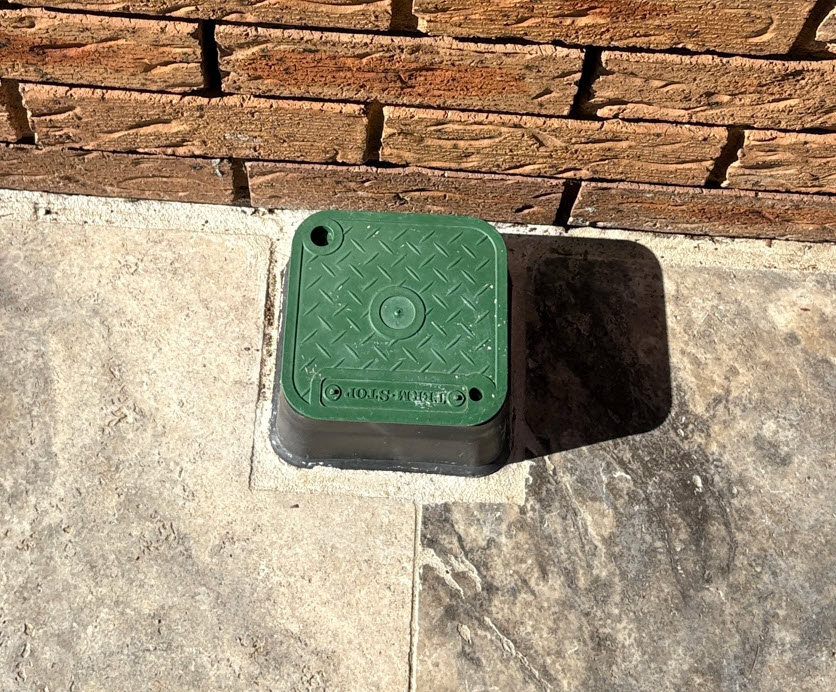
A reticulation system is a network of purpose-built pipes installed around a building’s perimeter, and sometimes under concrete slabs or paved areas. Access points are left visible or discreetly located around the home. During a professional refill, a licensed technician introduces the correct treatment solution through these points so it can disperse through the pipe network and into the surrounding treatment zone.
It is designed to make future barrier replenishment less disruptive. Rather than lifting pavers, drilling extensively, or excavating garden beds, the technician can access the existing system. That convenience does not mean every refill is identical. The treatment product, application rate, pipe layout, soil conditions, construction details, and previous termite history all affect the recommendation.
When Does a Reticulation System Need a Refill?
The treatment life of a chemical barrier depends on the product used, site conditions, and the original installation details. Your treatment paperwork should identify the system, product, treatment zone, and any recommended inspection or replenishment interval. If those records are missing, a professional assessment is the sensible starting point.
Properties in coastal and bushland-adjacent parts of the Central Coast can face changing moisture conditions, dense landscaping, and active termite pressure. A home in Terrigal with established garden beds will not necessarily need the same approach as a newer slab home in Wyong or an investment property in Woy Woy. The pipework may also be inaccessible, damaged, blocked, altered during renovations, or limited to only part of the building.
Do not wait for a scheduled refill if you notice termite warning signs. Mud tubes on brickwork or piers, soft or hollow-sounding timber, blistering paint, tight doors or windows, or discarded insect wings inside the home all warrant prompt investigation. Termites can cause significant damage without making a sound.
Common reasons to arrange an assessment
| Situation | Why it matters | Recommended next step |
|---|---|---|
| Treatment records are unclear or unavailable | You cannot confirm the barrier’s age, product, or coverage. | Arrange an inspection and review the accessible system points. |
| Renovations, plumbing, or landscaping have changed | Work near the perimeter can disturb treated soil or create new entry paths. | Have the altered areas assessed before relying on the old barrier. |
| Termite signs or confirmed activity | An existing barrier may be bypassed, incomplete, or no longer suitable. | Book a termite inspection promptly. Active termites need a tailored response. |
What Happens During a Professional Refill?
A proper visit begins with inspection, not simply connecting a hose to the nearest port. The technician checks accessible access points, considers the building design, looks for visible termite evidence, and assesses whether site conditions have changed. They should explain what the system appears to cover and where coverage may be limited.
Once the appropriate treatment plan is confirmed, the technician prepares and applies the registered termiticide through the reticulation ports at the required volume and pressure. The aim is controlled distribution through the designed network, not guesswork. Access points are then secured, and you should receive clear service documentation showing the work completed and recommendations for ongoing inspection.
Some properties need more than a refill. If termites are active inside the structure, localized treatment, baiting, monitoring, or a combination approach may be more appropriate. If the pipe system is damaged or does not reach a vulnerable area, supplementary treatment may be recommended. The best option depends on what is happening at your home, not on a one-size-fits-all package.
Safety, Access, and Preparation
Licensed termite work involves products and application methods that should be handled by trained professionals. Before the appointment, clear pots, outdoor furniture, stored materials, and dense vegetation away from visible reticulation points where practical. Tell the technician about fish ponds, vegetable gardens, drainage concerns, pets, young children, or any areas where access is difficult.
You may be asked to keep people and pets away from treatment areas during application and until the technician confirms it is appropriate to return. Follow the site-specific instructions on the service report. Good communication is especially useful for landlords, strata managers, and tenants, where access arrangements and treatment records need to be coordinated.
A Refill Works Best With Ongoing Inspections
A chemical barrier is one layer of protection. Termite inspections remain essential because no treatment can guarantee that every future termite route will be prevented. Technicians inspect accessible areas for activity, moisture issues, timber-to-soil contact, blocked subfloor ventilation, leaking taps, and landscaping that creates hidden pathways.
In places such as Erina, Kincumber, Umina Beach, and Bateau Bay, many homes have a mix of mature landscaping, decks, additions, retaining walls, and concealed slab edges. These features can make termite inspection access more complicated. Keeping weep holes visible where applicable, reducing timber contact with soil, repairing leaks, and avoiding heavy mulch against the building edge can make a real difference.
Redback Pest Control Central Coast can assess whether your existing system is suitable for refilling and explain the treatment options in plain language. You will know what has been checked, what is being recommended, and what practical steps can help reduce the risk between inspections.
Do Not Guess About Your Termite Barrier
A termite reticulation system is valuable only when it is understood, professionally maintained, and supported by regular inspection. If you have found old access ports around your home, cannot locate treatment records, are planning renovations, or have noticed possible termite signs, arrange an assessment before damage has a chance to spread. No worries, no stress, no termites starts with acting early and getting the right advice for your property.